
Bart Matusiak Little Leaf
ux/product designer + information architect
LINK Driver
mobile application
DF Booking
web application module
US Wholesale
web application module
Data Dashboard
web application module
IDs
data taxonomy concept
AL DS
design system
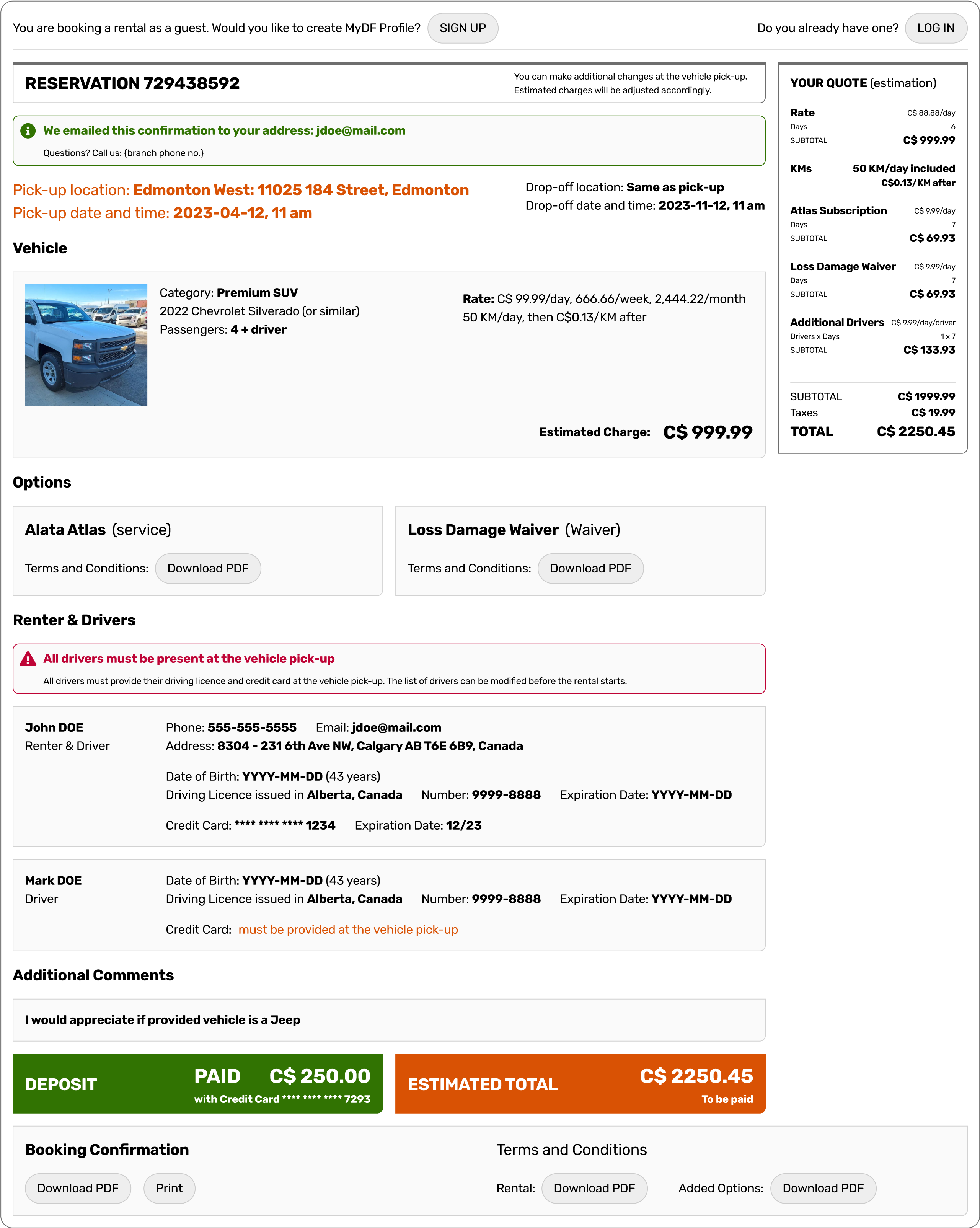
DF Booking
Web application integrated with the Driving Force website. It enables customers to access various rental vehicle availability checkers, obtain rental rates, and initiate new rental reservations through the Driving Force website. Project for Alata Tech (part of The Driving Force Group of Companies).
My role: defining the scope and application functionality, based on the original business requirements, competitor research, and conducted further research. The allocated time frame was eight design sprints. The expected outcome was a delivery of a set of medium-fidelity wireframes and flows that would represent the full scope of the application.
SITUATION
Vehicle rental is a key component of the Driving Force business. Customers initiate rental operations by placing a booking, which is a request to rent a vehicle. This can be done through various channels, including direct contact with a customer care representative (especially for larger customers) via phone or email, or online through the Driving Force website (primarily for smaller and individual customers).
TASK
Based on the original business requirements, competitor research, and conducted research, define the scope and application functionality. Then, deliver a set of medium-fidelity wireframes and flows that represent the full scope of the application.
ACTION
Researching competition, analyzing the current flow, identifying pain points, and determining the primary user scenarios are crucial steps in the design process. After that, separate designs are created for commercial and private customers. Finally, the designs are presented as a set of medium-fidelity wireframes that visually represent each step of every variant.
RESULT
A set of medium-fidelity wireframes is ready to be combined into a clickable prototype for testing.
Research
I started with competitor analysis by researching booking systems of several competitors. I was able to identify weak and strong points of each solution, which was later used when defining my approach.
I also conducted several interviews with users. Collected notes were synthesized as user personas.
Key findings included the discovery of 3 distinctive types of users with small but significant similarities between their journeys: Retail Customer, Commercial Customer, and Guest.
Synthesis
Based on research results, I defined a set of user scenarios in the form of short stories describing user journeys. I was also able to identify key pain points that were formulated as the following questions:
- The vehicle I am selecting: is it a particular model or just a type?
- What are those add-ons, and do I really need them?
- How much is the whole rental going to cost me?
The findings guided the final design by defining the desired interactions and the scope of data presented to the users.
Information Architecture:
← SCROLL →
Ideation
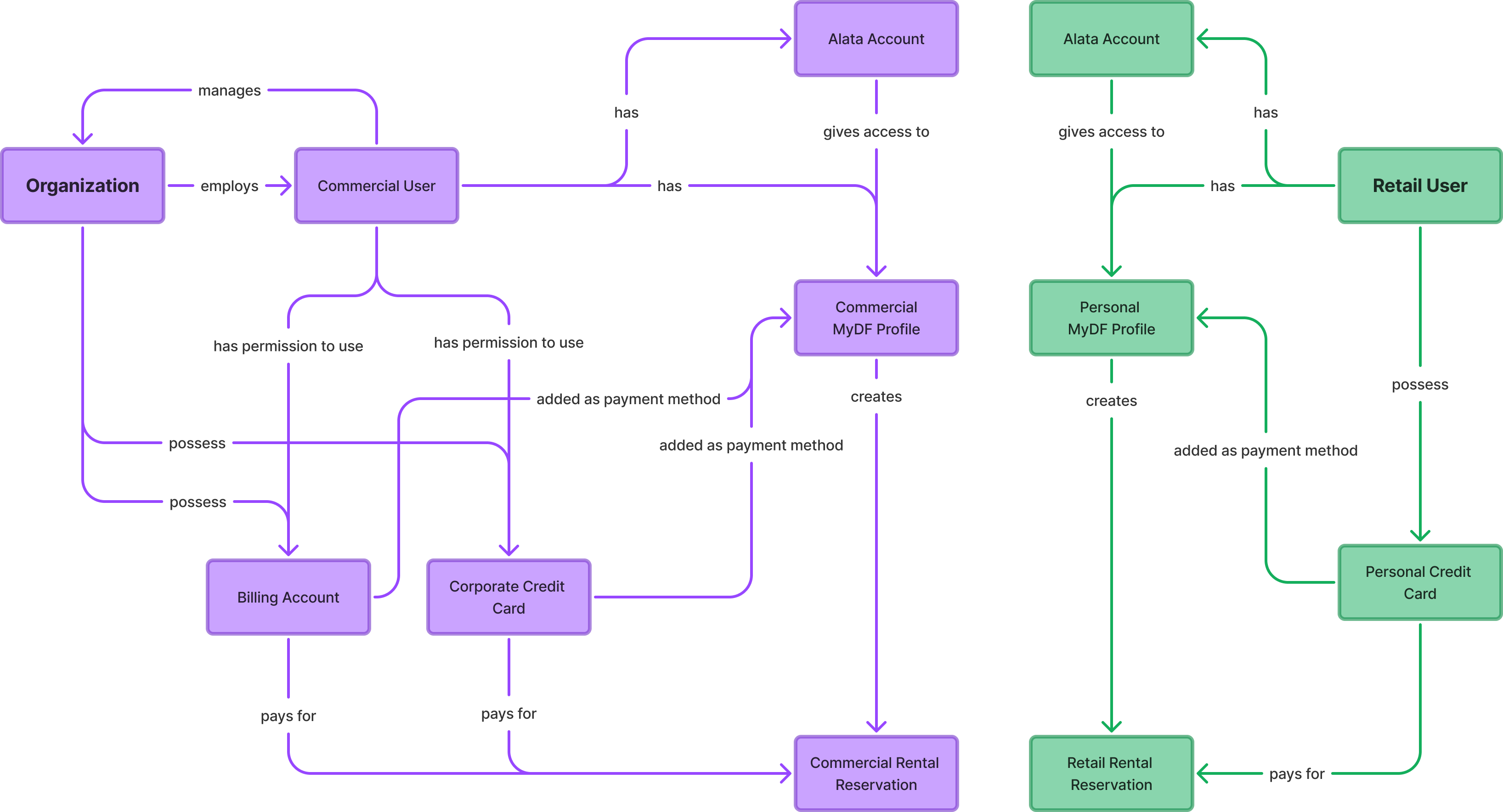
The next step involved defining information architecture and task flows in the form of diagrams. This was done to identify crucial pieces of data and relationships between them, and establish the sequence of actions and events based on the results of research and synthesis.
Sign-Up UI Flow:
← SCROLL →
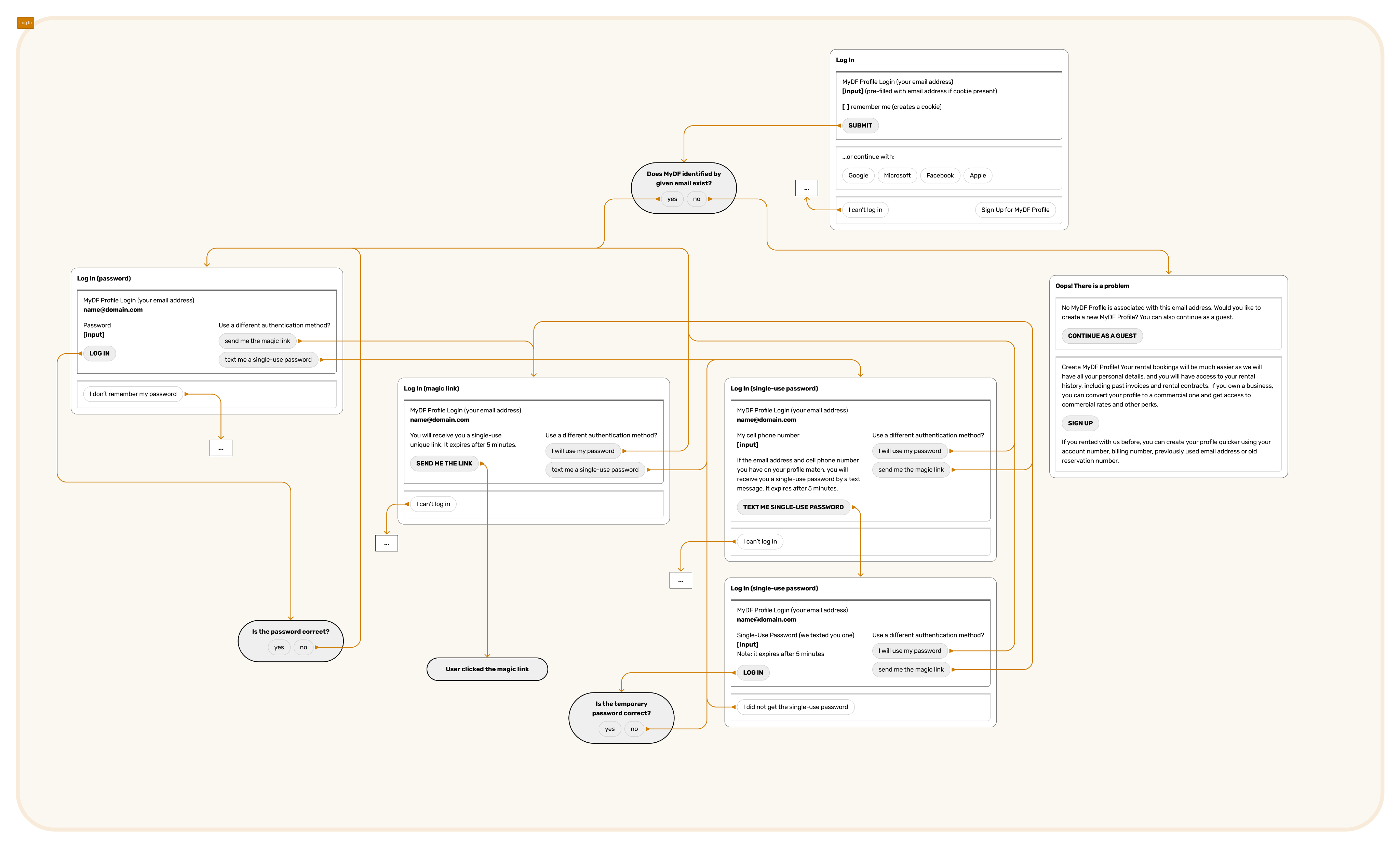
Log In UI Flow:
← SCROLL →
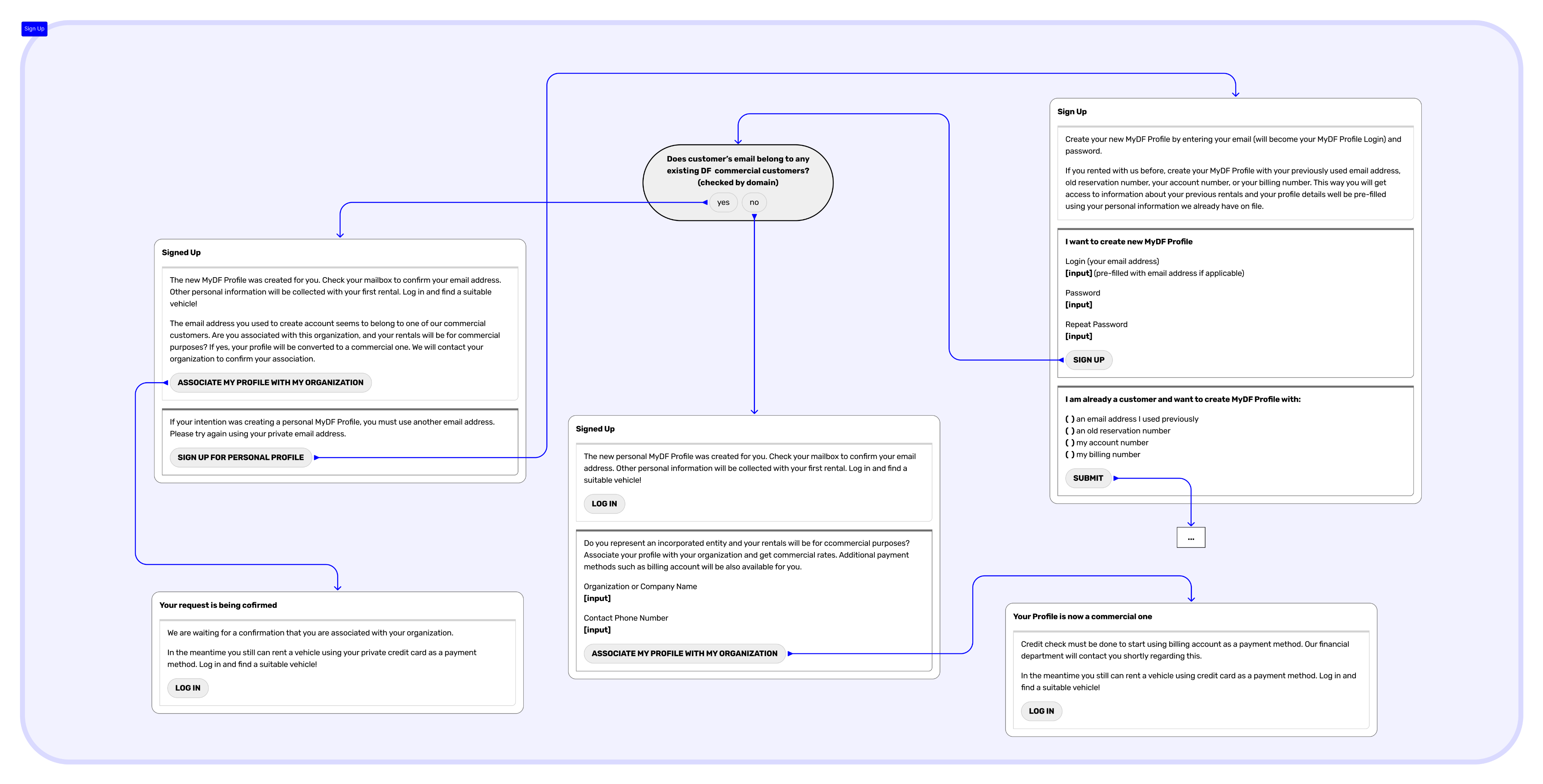
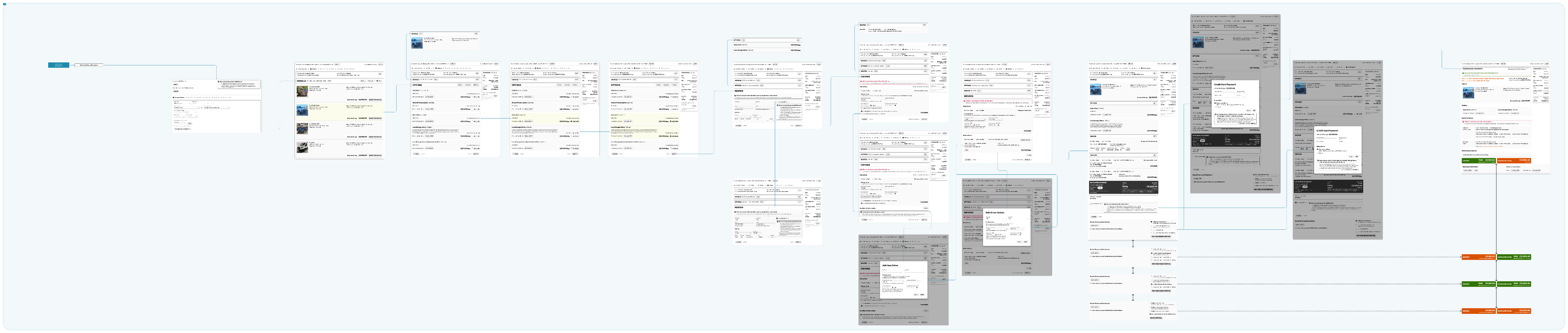
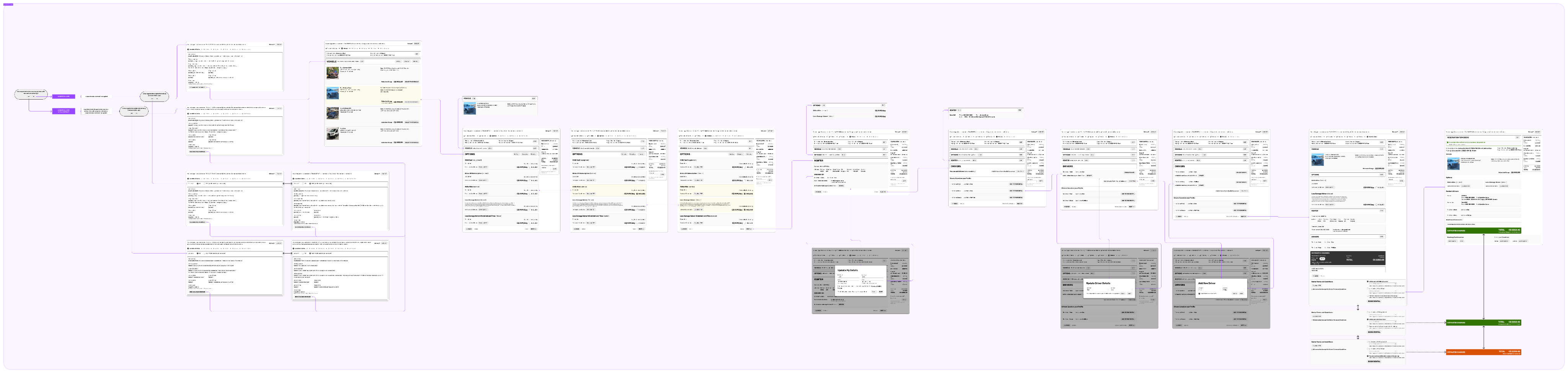
Designed UI flow established the sequence and structure of screens and connections that guide various types of users through the application. I created logical, intuitive paths that help users complete tasks efficiently and quickly.
Guest Flow:
← SCROLL →
Commercial Customer Flow:
← SCROLL →
Design
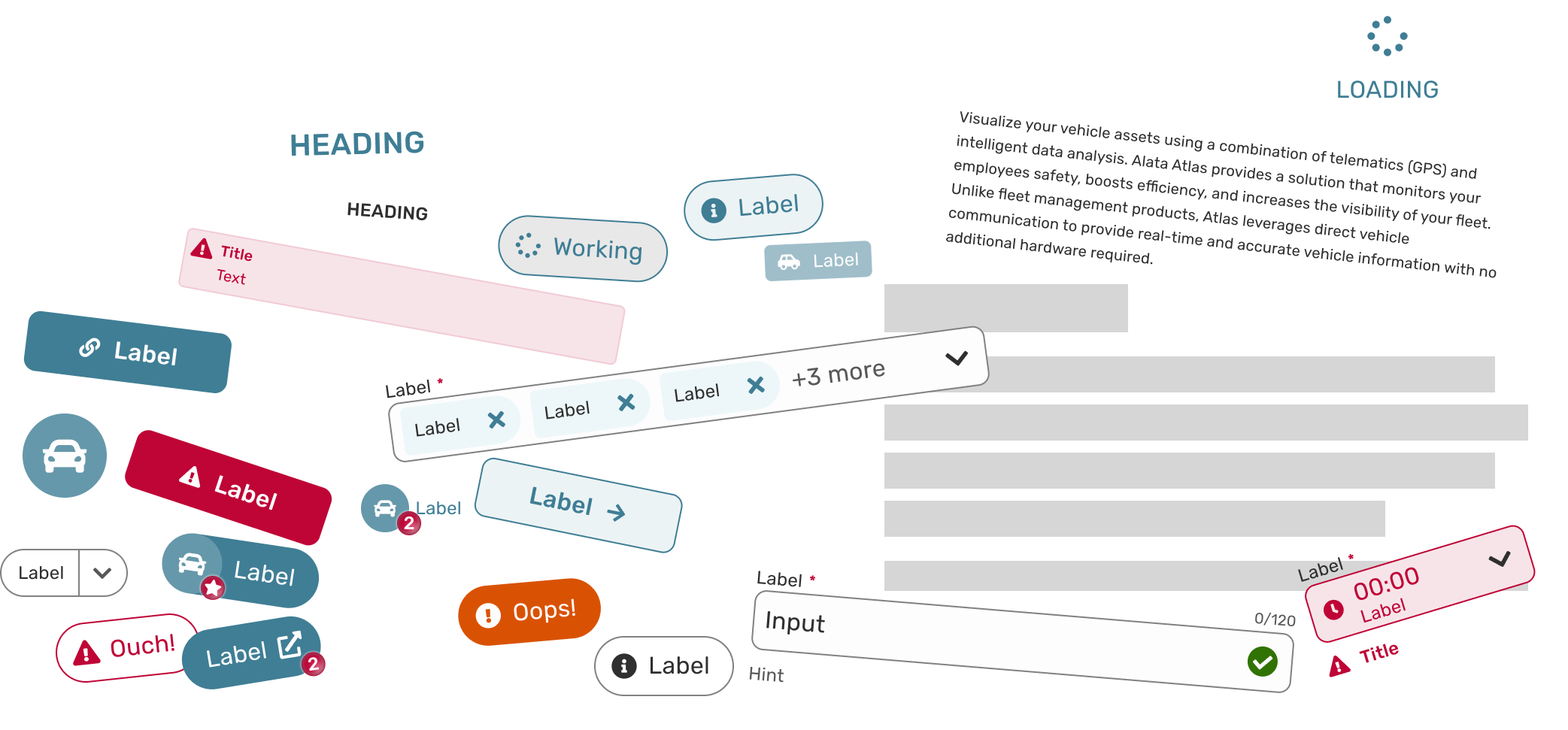
In the last step, I created the medium-fidelity wireframes. Future high-fidelity designs will utilize components and rules defined by AL DS (AL Design System).
Selected Wireframes (Medium Fidelity):
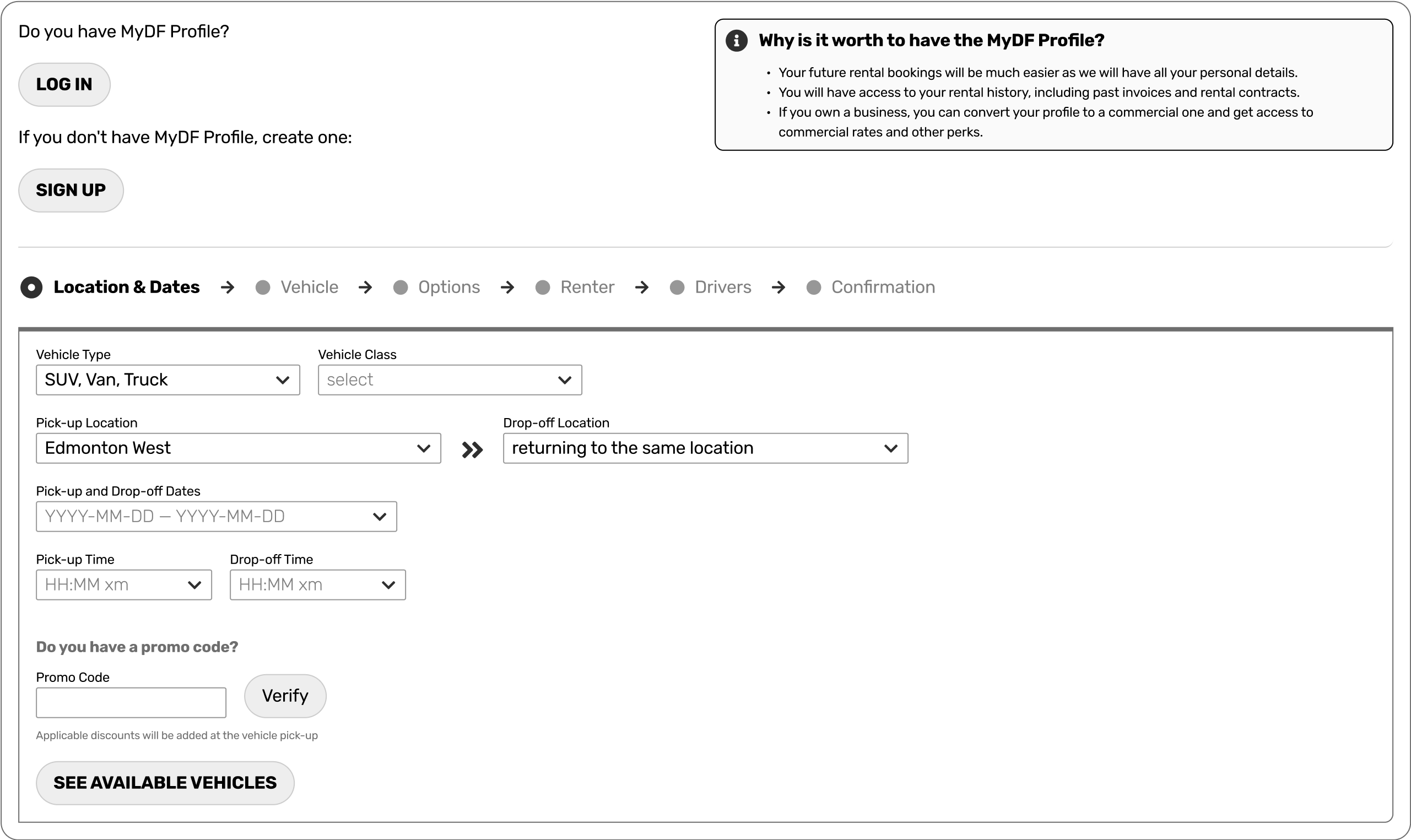
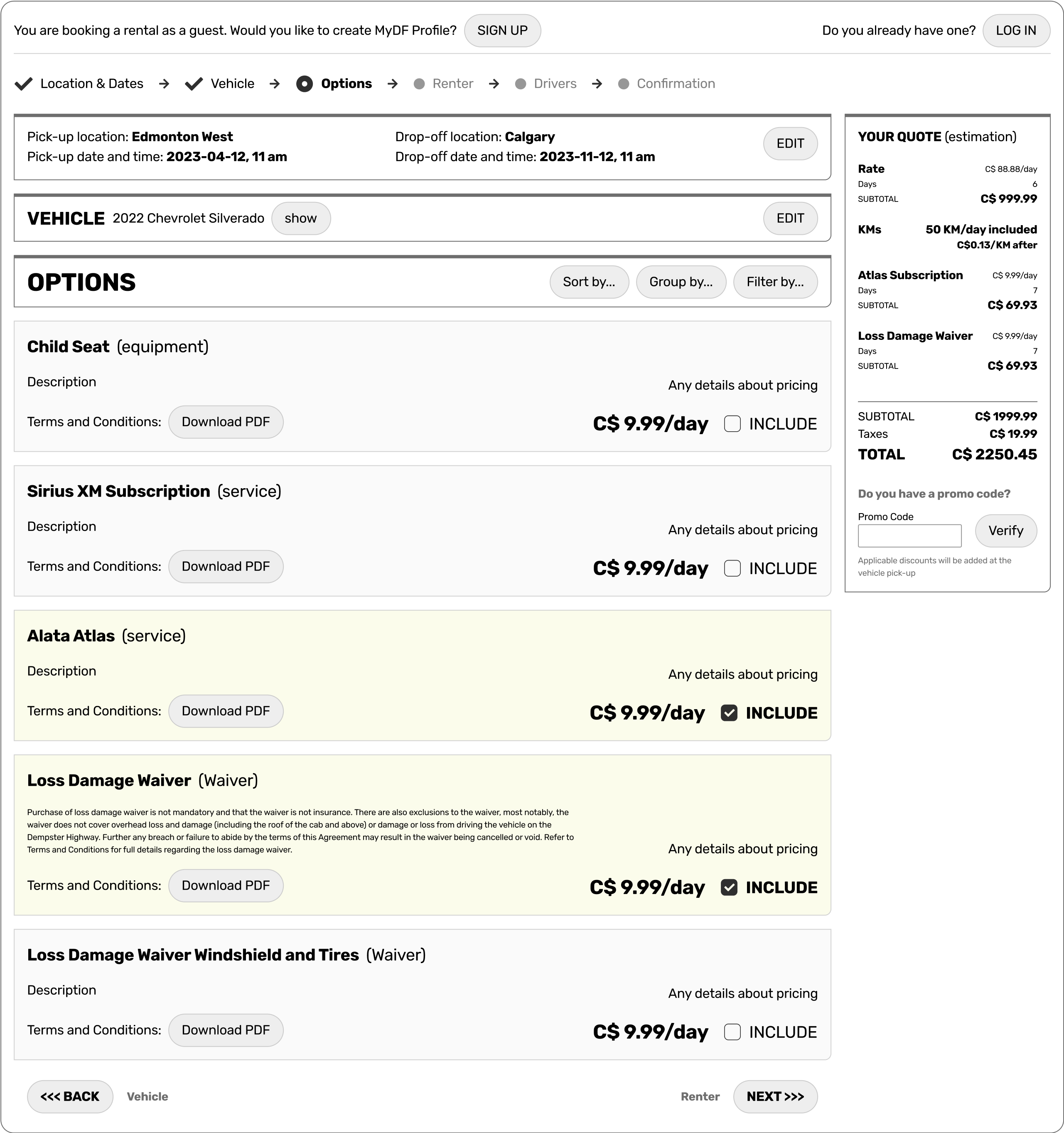
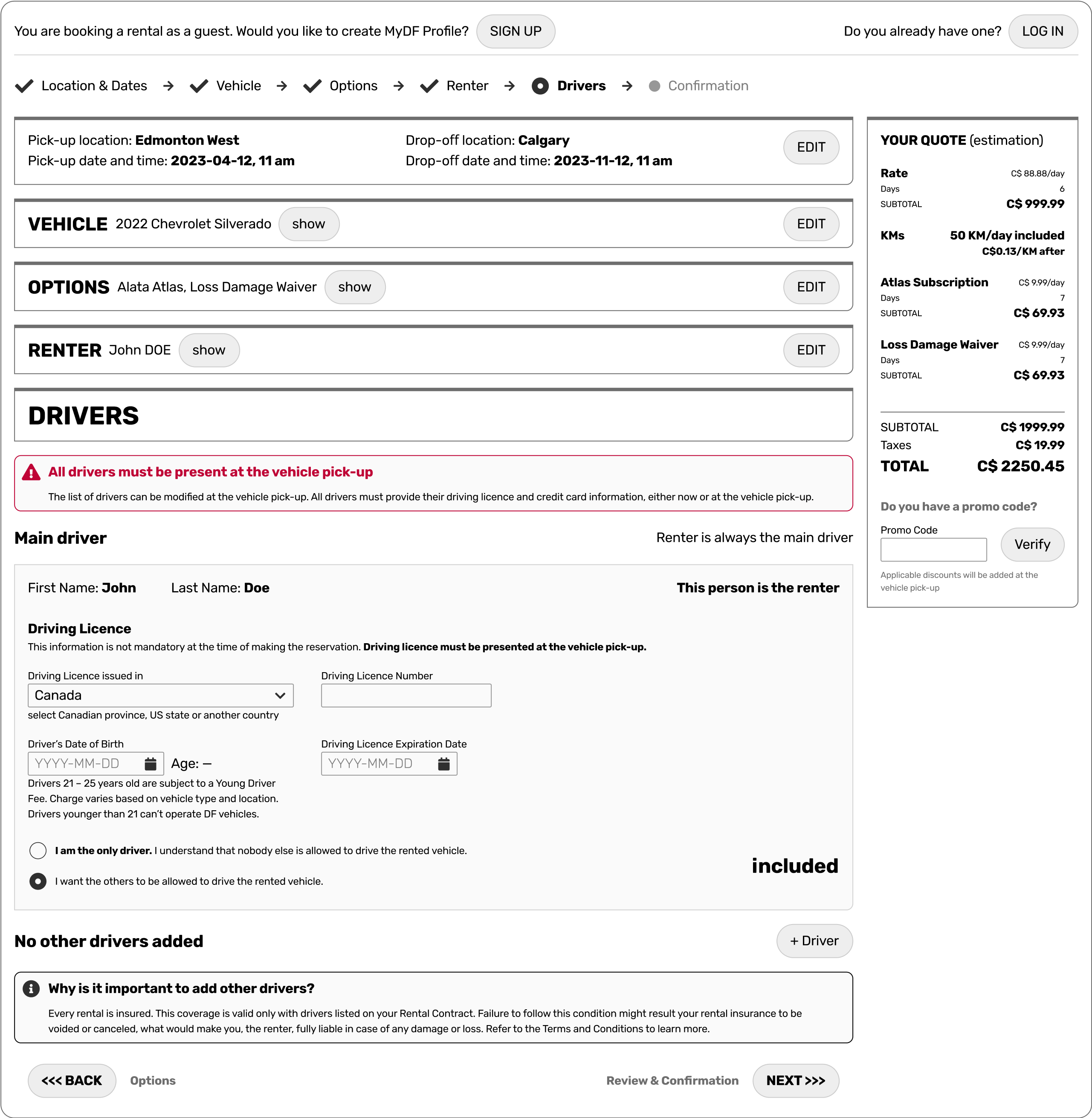
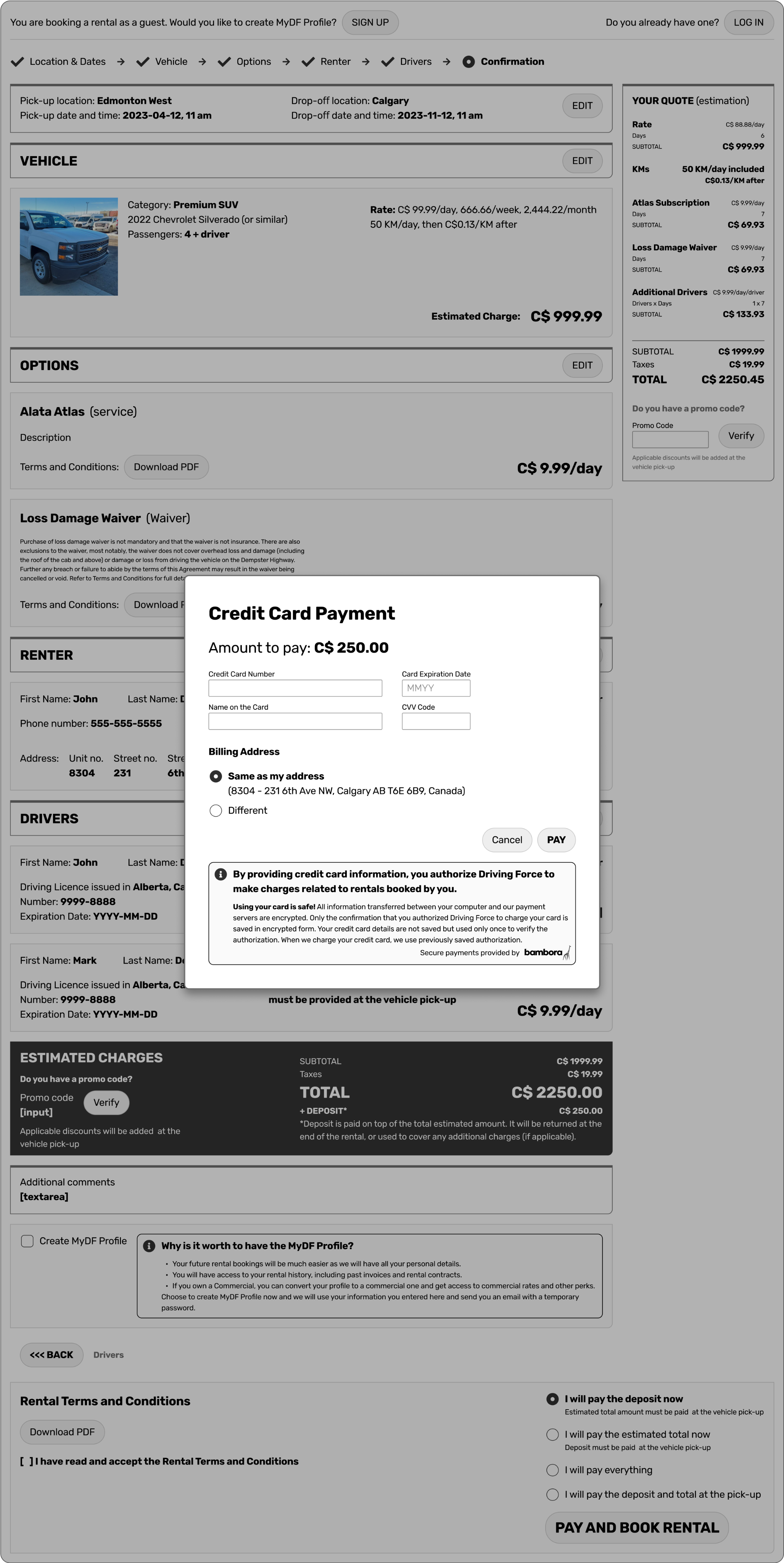
Previously identified pain points were addressed by the introduction of specific elements and information boxes. Defined user scenarios for various types of customers were tested using wireframes. Tests confirmed that pain points were addressed correctly. Other identified changes were implemented.
Next Steps
The design was delivered as a set of medium-fidelity annotated wireframes, accompanied by a set of flows and diagrams. These were presented to the stakeholders. The design is currently in this state, awaiting the green light for the final design stage: high-fidelity wireframe creation. Once this is completed, the design will be handed over for implementation.
Projects
DISCLAIMER: All projects and designs shown in this portfolio have been created by myself, or as part of a team; working as a freelance contractor or a full-time employee. They belong to their legal owners and are being shown here for informational purposes only.
Made with Figma Sites
Bart Matusiak Little Leaf
ux/product designer + information architect
LINK Driver
mobile application
DF Booking
web application module
US Wholesale
web application module
Data Dashboard
web application module
IDs
data taxonomy concept
AL DS
design system
DF Booking
Web application integrated with the Driving Force website. It enables customers to access various rental vehicle availability checkers, obtain rental rates, and initiate new rental reservations through the Driving Force website. Project for Alata Tech (part of The Driving Force Group of Companies).
My role: defining the scope and application functionality, based on the original business requirements, competitor research, and conducted further research. The allocated time frame was eight design sprints. The expected outcome was a delivery of a set of medium-fidelity wireframes and flows that would represent the full scope of the application.
SITUATION
Vehicle rental is a key component of the Driving Force business. Customers initiate rental operations by placing a booking, which is a request to rent a vehicle. This can be done through various channels, including direct contact with a customer care representative (especially for larger customers) via phone or email, or online through the Driving Force website (primarily for smaller and individual customers).
TASK
Based on the original business requirements, competitor research, and conducted research, define the scope and application functionality. Then, deliver a set of medium-fidelity wireframes and flows that represent the full scope of the application.
ACTION
Researching competition, analyzing the current flow, identifying pain points, and determining the primary user scenarios are crucial steps in the design process. After that, separate designs are created for commercial and private customers. Finally, the designs are presented as a set of medium-fidelity wireframes that visually represent each step of every variant.
RESULT
A set of medium-fidelity wireframes is ready to be combined into a clickable prototype for testing.
Research
I started with competitor analysis by researching booking systems of several competitors. I was able to identify weak and strong points of each solution, which was later used when defining my approach.
I also conducted several interviews with users. Collected notes were synthesized as user personas.
Key findings included the discovery of 3 distinctive types of users with small but significant similarities between their journeys: Retail Customer, Commercial Customer, and Guest.
Synthesis
Based on research results, I defined a set of user scenarios in the form of short stories describing user journeys. I was also able to identify key pain points that were formulated as the following questions:
- The vehicle I am selecting: is it a particular model or just a type?
- What are those add-ons, and do I really need them?
- How much is the whole rental going to cost me?
The findings guided the final design by defining the desired interactions and the scope of data presented to the users.
Information Architecture:
Ideation
The next step involved defining information architecture and task flows in the form of diagrams. This was done to identify crucial pieces of data and relationships between them, and establish the sequence of actions and events based on the results of research and synthesis.
Sign-Up UI Flow:
← SCROLL →
Log In UI Flow:
← SCROLL →
Designed UI flow established the sequence and structure of screens and connections that guide various types of users through the application. I created logical, intuitive paths that help users complete tasks efficiently and quickly.
Guest Flow:
← SCROLL →
Commercial Customer Flow:
← SCROLL →
Design
In the last step, I created the medium-fidelity wireframes. Future high-fidelity designs will utilize components and rules defined by AL DS (AL Design System).
Selected Wireframes (Medium Fidelity):
Previously identified pain points were addressed by the introduction of specific elements and information boxes. Defined user scenarios for various types of customers were tested using wireframes. Tests confirmed that pain points were addressed correctly. Other identified changes were implemented.
Next Steps
The design was delivered as a set of medium-fidelity annotated wireframes, accompanied by a set of flows and diagrams. These were presented to the stakeholders. The design is currently in this state, awaiting the green light for the final design stage: high-fidelity wireframe creation. Once this is completed, the design will be handed over for implementation.
Projects
DISCLAIMER: All projects and designs shown in this portfolio have been created by myself, or as part of a team; working as a freelance contractor or a full-time employee. They belong to their legal owners and are being shown here for informational purposes only.
Made with Figma Sites
Bart Matusiak Little Leaf
ux/product designer + information architect
DF Booking
web application module
US Wholesale
web application module
Data Dashboard
web application module
IDs
data taxonomy concept
LINK Driver
mobile application
AL DS
design system
DF Booking
Web application integrated with the Driving Force website. It enables customers to access various rental vehicle availability checkers, obtain rental rates, and initiate new rental reservations through the Driving Force website. Project for Alata Tech (part of The Driving Force Group of Companies).
My role: defining the scope and application functionality, based on the original business requirements, competitor research, and conducted further research. The allocated time frame was eight design sprints. The expected outcome was a delivery of a set of medium-fidelity wireframes and flows that would represent the full scope of the application.
SITUATION
Vehicle rental is a key component of the Driving Force business. Customers initiate rental operations by placing a booking, which is a request to rent a vehicle. This can be done through various channels, including direct contact with a customer care representative (especially for larger customers) via phone or email, or online through the Driving Force website (primarily for smaller and individual customers).
TASK
Based on the original business requirements, competitor research, and conducted research, define the scope and application functionality. Then, deliver a set of medium-fidelity wireframes and flows that represent the full scope of the application.
ACTION
Researching competition, analyzing the current flow, identifying pain points, and determining the primary user scenarios are crucial steps in the design process. After that, separate designs are created for commercial and private customers. Finally, the designs are presented as a set of medium-fidelity wireframes that visually represent each step of every variant.
RESULT
A set of medium-fidelity wireframes is ready to be combined into a clickable prototype for testing.
Research
I started with competitor analysis by researching booking systems of several competitors. I was able to identify weak and strong points of each solution, which was later used when defining my approach.
I also conducted several interviews with users. Collected notes were synthesized as user personas.
Key findings included the discovery of 3 distinctive types of users with small but significant similarities between their journeys: Retail Customer, Commercial Customer, and Guest.
Synthesis
Based on research results, I defined a set of user scenarios in the form of short stories describing user journeys. I was also able to identify key pain points that were formulated as the following questions:
- The vehicle I am selecting: is it a particular model or just a type?
- What are those add-ons, and do I really need them?
- How much is the whole rental going to cost me?
The findings guided the final design by defining the desired interactions and the scope of data presented to the users.
Ideation
The next step involved defining information architecture and task flows in the form of diagrams. This was done to identify crucial pieces of data and relationships between them, and establish the sequence of actions and events based on the results of research and synthesis.
Information Architecture:
Designed UI flow established the sequence and structure of screens and connections that guide various types of users through the application. I created logical, intuitive paths that help users complete tasks efficiently and quickly.
Sign-Up UI Flow:
Log In UI Flow:
Design
In the last step, I created the medium-fidelity wireframes. Future high-fidelity designs will utilize components and rules defined by AL DS (AL Design System).
Guest Flow:
← SCROLL →
Commercial Customer Flow:
← SCROLL →
Previously identified pain points were addressed by the introduction of specific elements and information boxes. Defined user scenarios for various types of customers were tested using wireframes. Tests confirmed that pain points were addressed correctly. Other identified changes were implemented.
Selected Wireframes (Medium Fidelity):
Next Steps
The design was delivered as a set of medium-fidelity annotated wireframes, accompanied by a set of flows and diagrams. These were presented to the stakeholders. The design is currently in this state, awaiting the green light for the final design stage: high-fidelity wireframe creation. Once this is completed, the design will be handed over for implementation.
Projects
DISCLAIMER: All projects and designs shown in this portfolio have been created by myself, or as part of a team; working as a freelance contractor or a full-time employee. They belong to their legal owners and are being shown here for informational purposes only.
Made with Figma Sites