
Bart Matusiak Little Leaf
ux/product designer + information architect
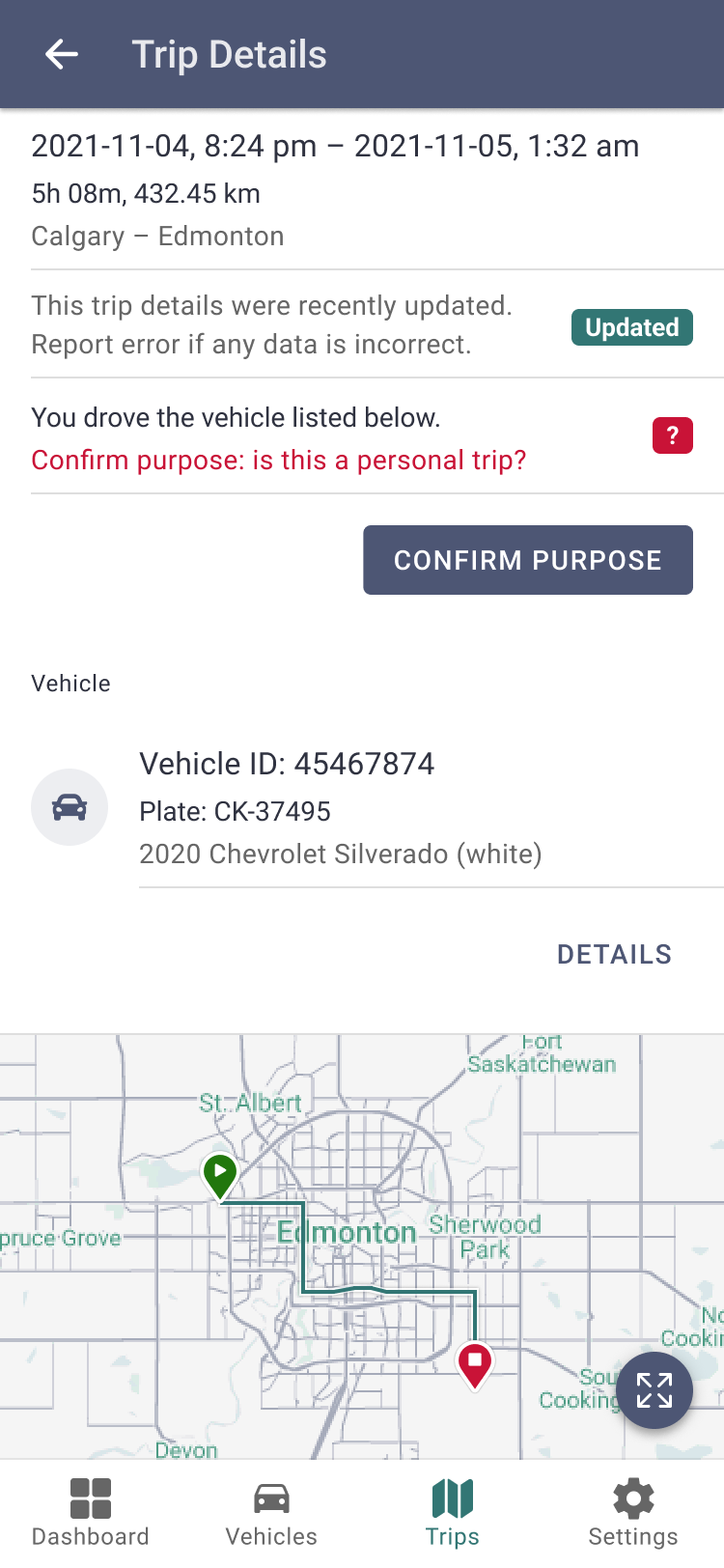
LINK Driver
mobile application
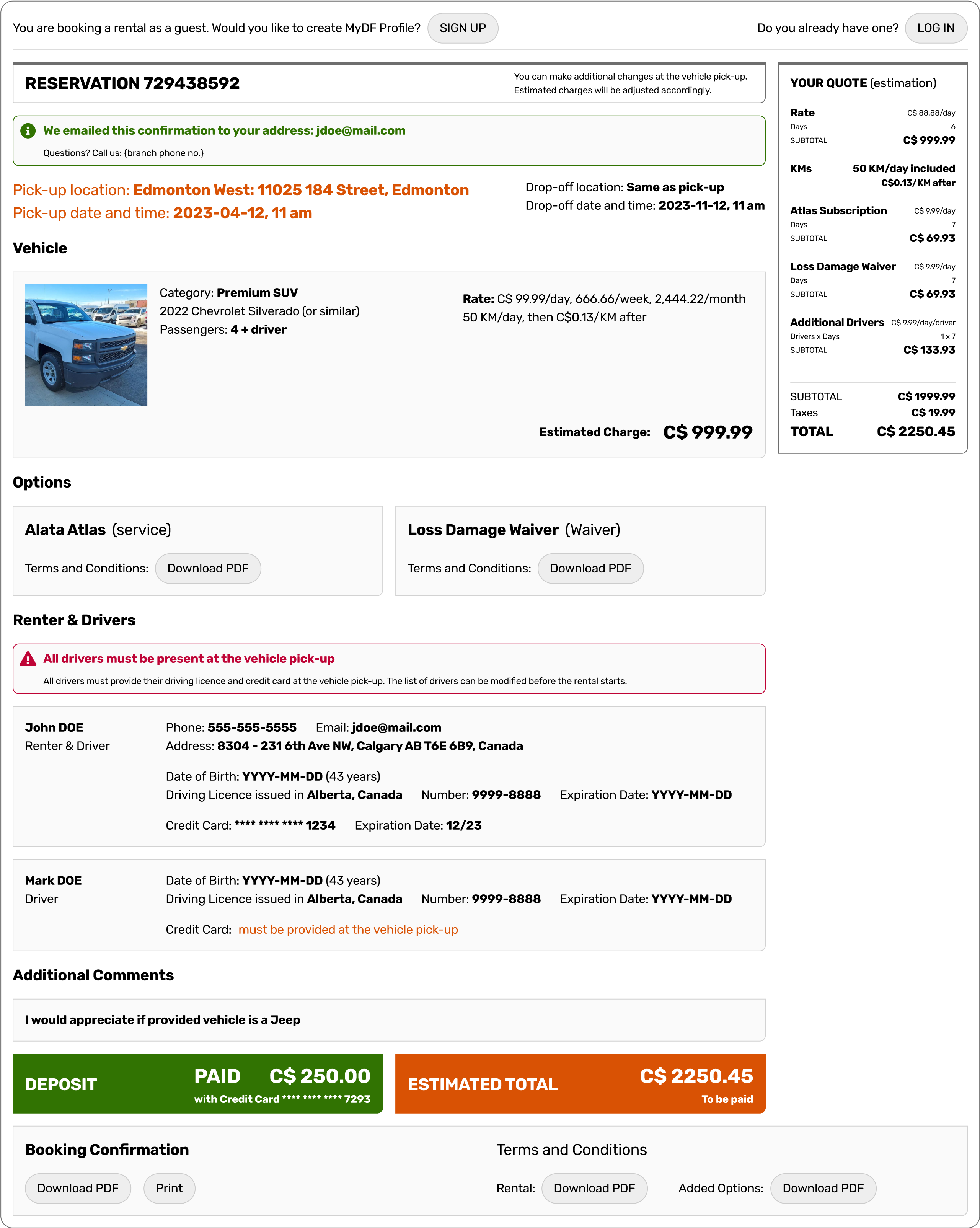
DF Booking
web application module
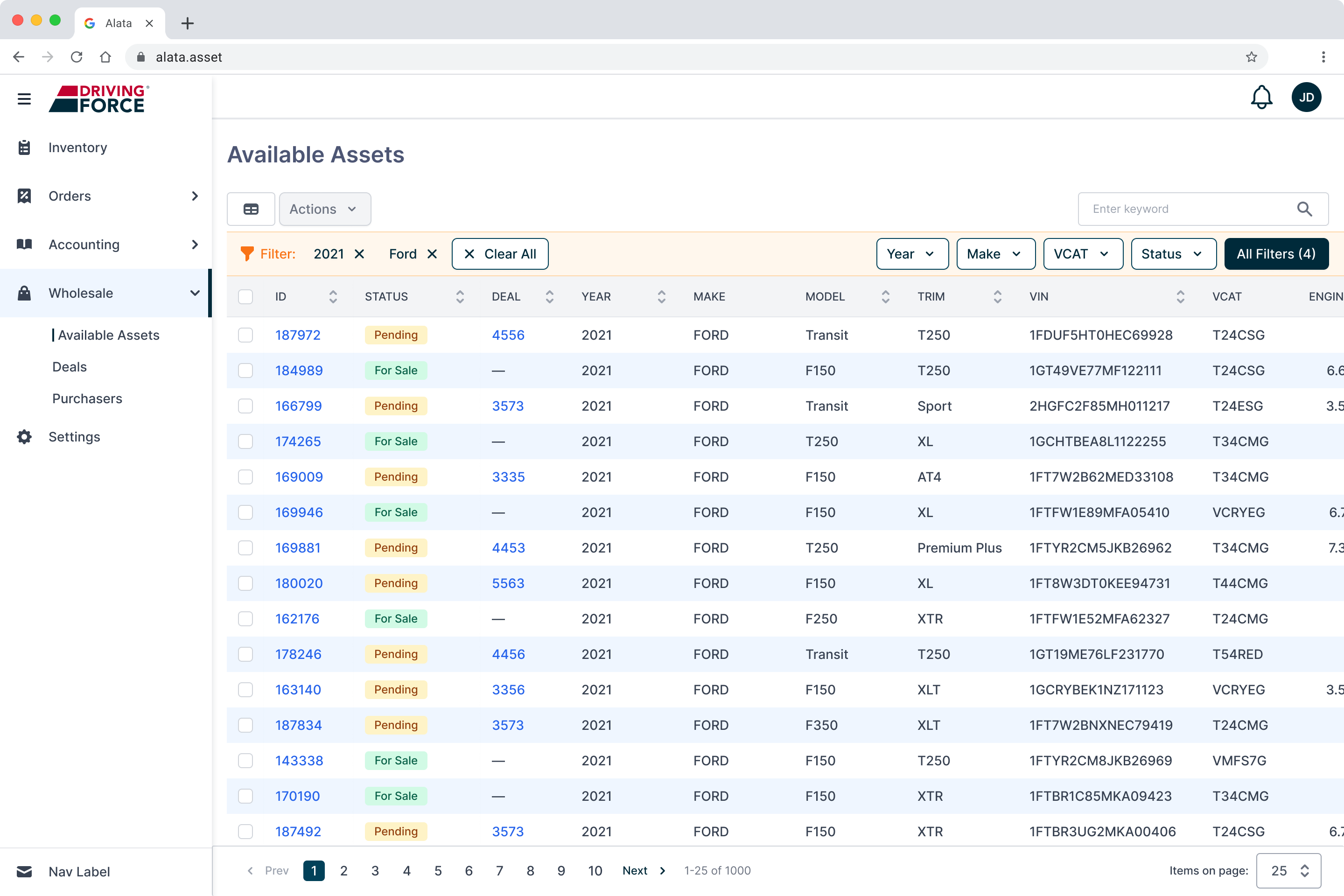
US Wholesale
web application module
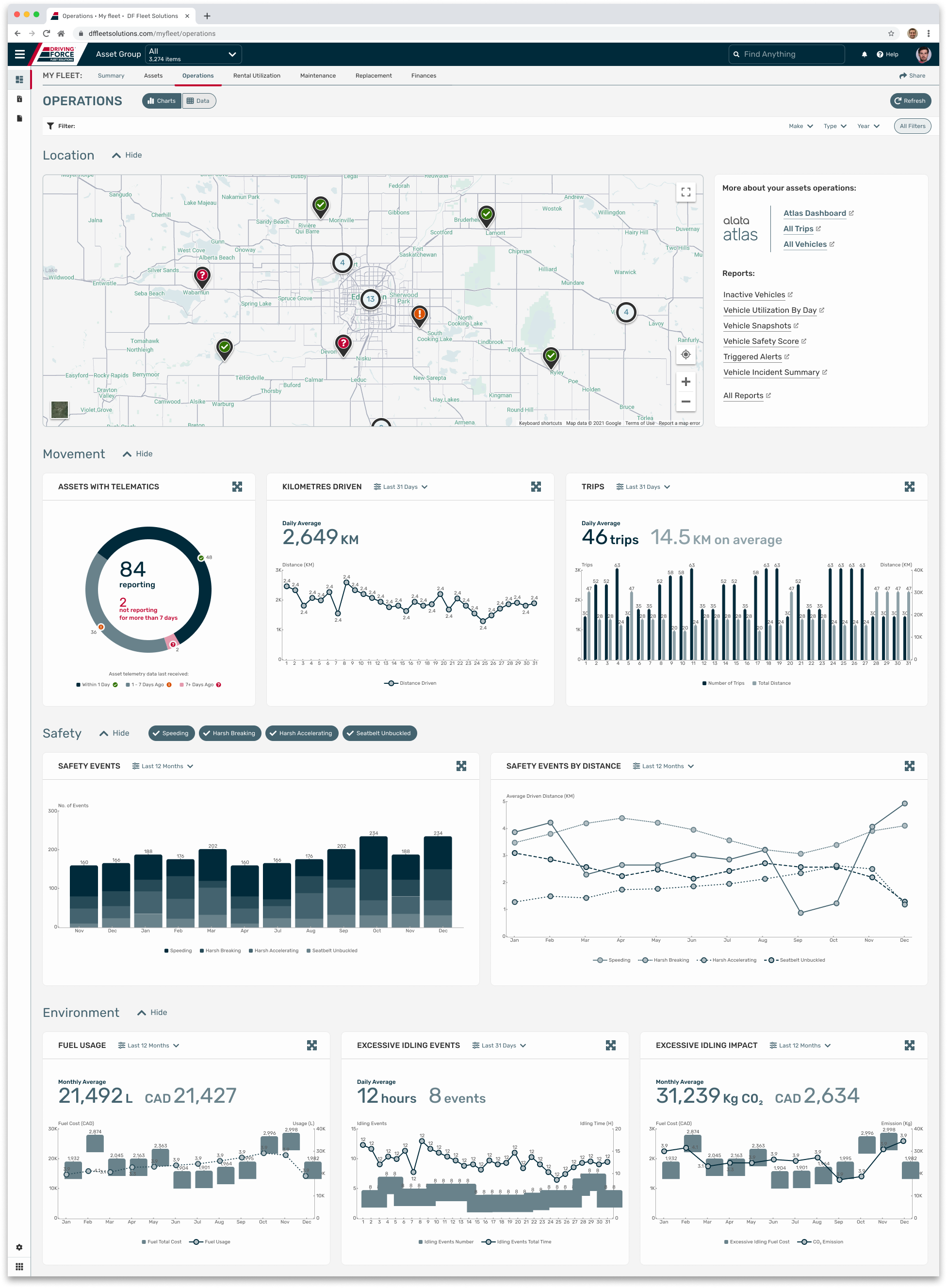
Data Dashboard
web application module
IDs
data taxonomy concept
AL DS
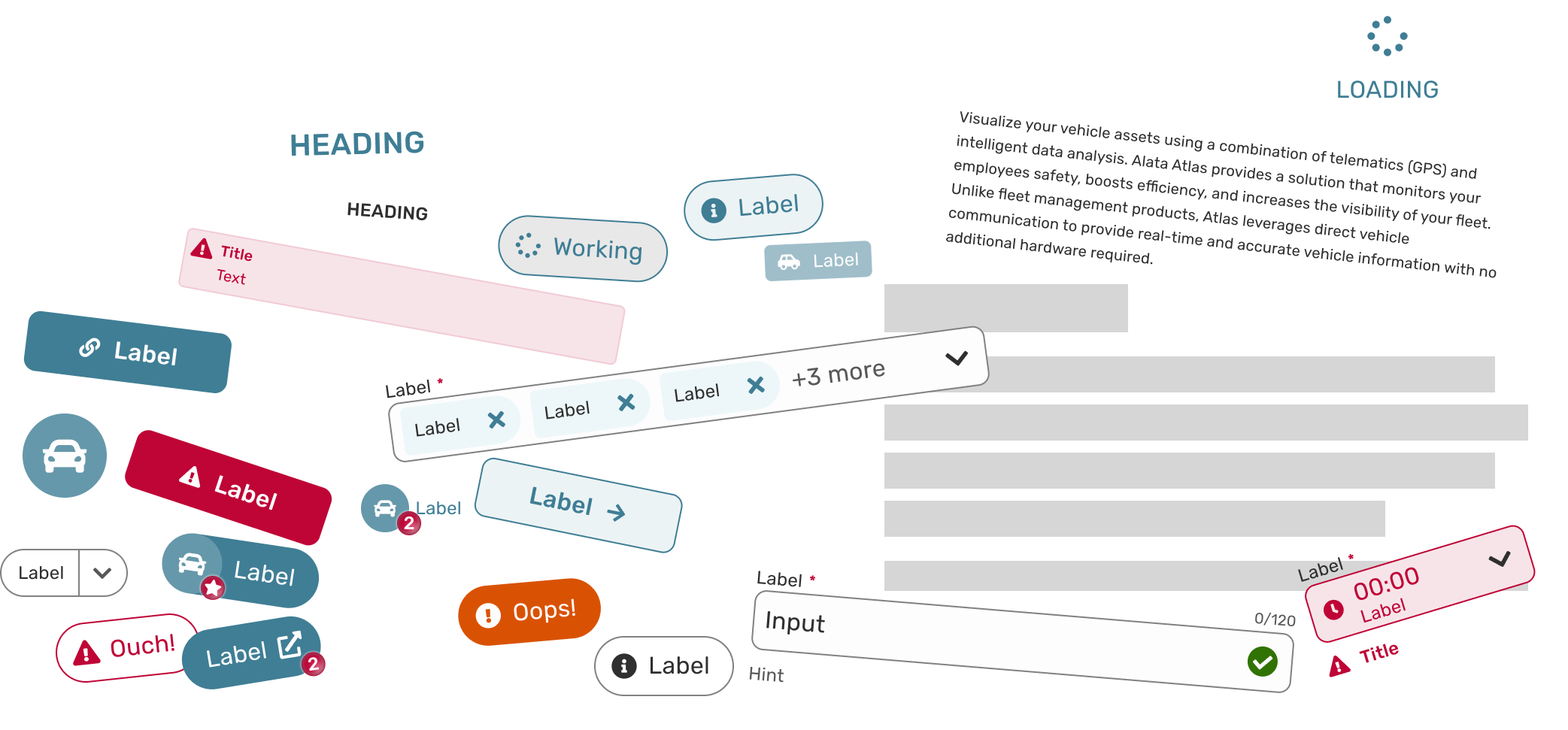
design system
US Wholesale
Web application specifically tailored for US branches of the vehicle sales business. Its primary functions include inventory management, the bulk generation of sales documents, the monitoring of the sales process, and the tracking of revenue. Component of the Alata LINK Suite. Project for Alata Tech (part of The Driving Force Group of Companies).
My role: defining the scope and application functionality, aligning them with the original business requirements, and conducting further research. The allocated timeframe was ten design sprints, with the objective of delivering a set of high-fidelity wireframes organized into flows that would represent the minimum viable product (MVP). The application was intended to facilitate the primary operations at that time performed manually, such as the generation of bulk documentation.
SITUATION
The used (post-rental and post-lease) and new vehicle sales form the backbone of the Driving Force business model. With recent expansion in the United States, the organization recognized the need for a tool to support wholesale operations while adhering to local regulations.
TASK
Define the scope and application functionality, ensuring they align with the original business requirements. Conduct further research if necessary. The outcome should allow automation of the primary operations at that time performed manually, such as generating bulk documentation.
ACTION
Researching current solution and identifying all manually conducted processes and actions. Defining task flows to be built and automated within the application. Designing the interface that allows automatic or semi-automatic execution of defined flows.
RESULT
The built application significantly reduced the time required for preparing sale documentation by 70%. Furthermore, it served as a reliable source of information regarding the assets available for sale and the current deals (sales).
Research
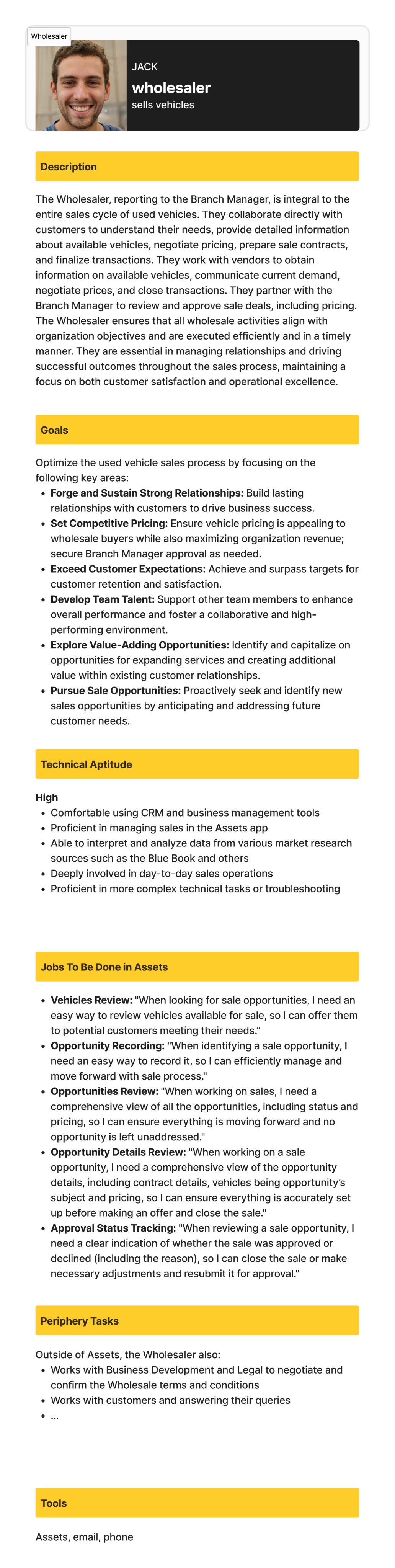
I conducted several interviews with Users and Stakeholders. Collected notes were synthesized as user personas: Wholesaler, Branch Manager, and Accountant.
Persona Example:
← SCROLL →
Synthesis
Based on research results, I defined a set of activity scenarios in the form of short stories describing user journeys through identified activities:
- Browsing available Assets,
- Creating new Deals,
- Adding Assets to existing Deals,
- Browsing Deals,
- Generating sale documentation for selected Deals and updating Deal statuses,
- Cancelling Deals.
The findings guided the final design by defining the desired interactions and the scope of data presented to the users.
Ideation
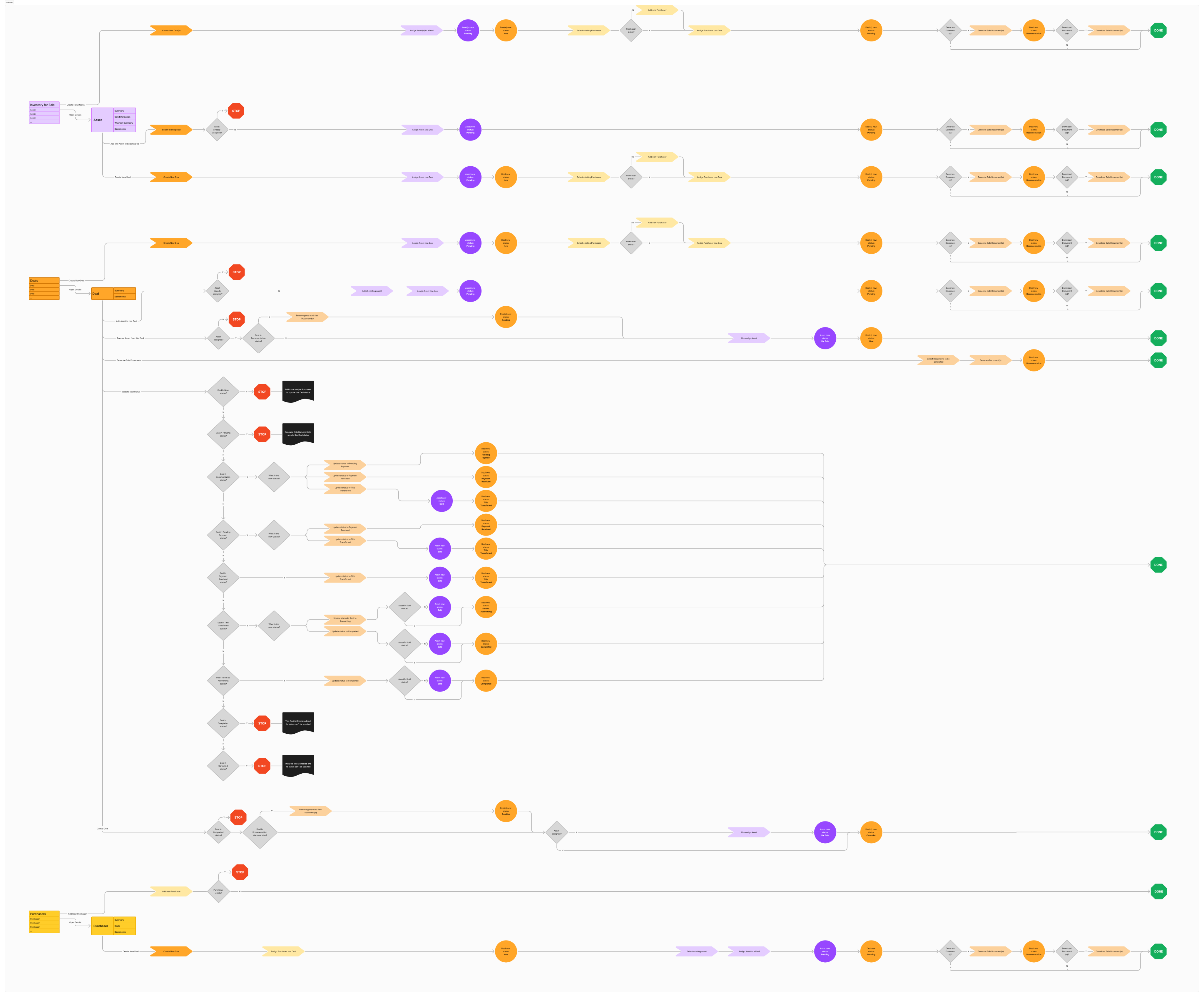
The next step involved defining task flows. This was done to identify and establish the sequence of actions and events based on the results of research and synthesis.
Task Flows:
← SCROLL →
Designed UI flow established the sequence and structure of screens, modals and connections that guide users through the application. I created logical, intuitive paths that help users complete tasks efficiently and quick.
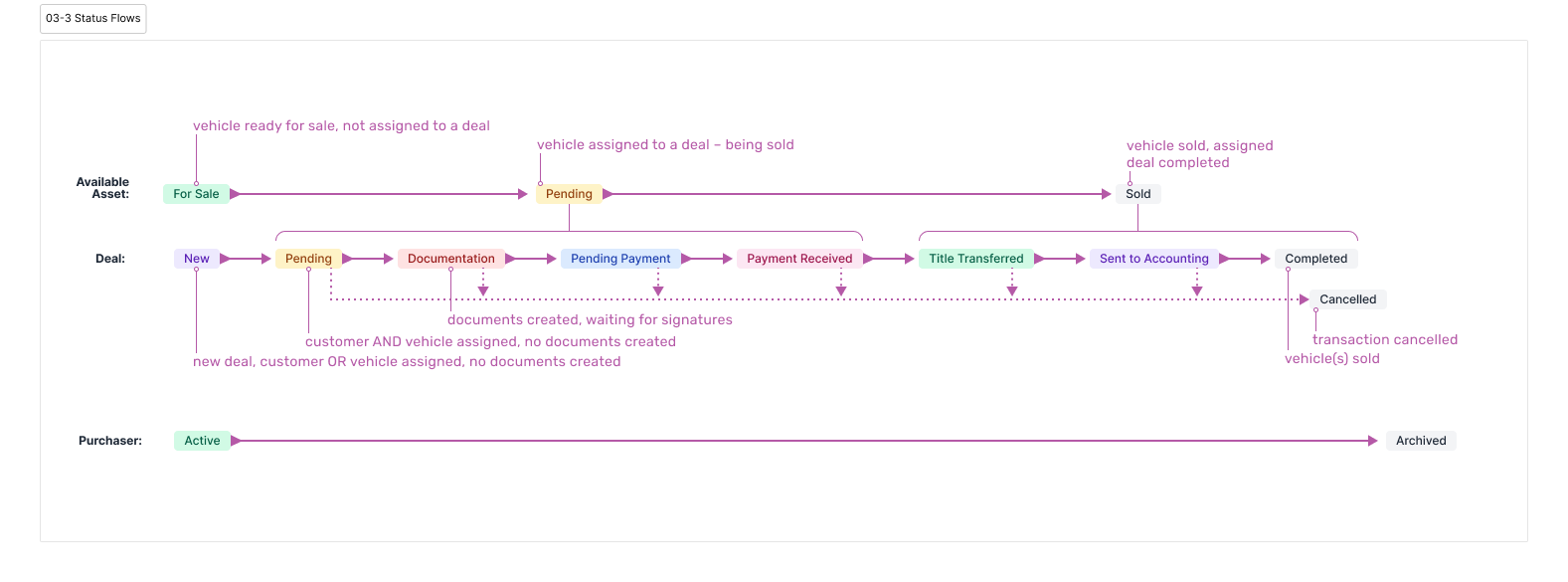
Status Flow:
Design
In the last step, I created the high-fidelity wireframes utilizing components and rules defined for this specific application. Wireframes were organized in the flows reflecting identified activities.
Selected Wireframes (High Fidelity):
Defined activity scenarios were tested using high-fidelity wireframes that were combined into a clickable prototype. The identified changes were implemented.
Handover
The comprehensive design, encompassing the prototype, all flows, diagrams, and annotated wireframes, was presented and distributed to the development team. Furthermore, I contributed to Jira ticket creation, providing additional design-related input and ensuring that every element of the prepared design was meticulously incorporated.
Subsequently, I participated in the final testing and quality assurance phase to ascertain whether all functional and visual aspects were accurately implemented.
Projects
DISCLAIMER: All projects and designs shown in this portfolio have been created by myself, or as part of a team; working as a freelance contractor or a full-time employee. They belong to their legal owners and are being shown here for informational purposes only.
Made with Figma Sites
Bart Matusiak Little Leaf
ux/product designer + information architect
LINK Driver
mobile application
DF Booking
web application module
US Wholesale
web application module
Data Dashboard
web application module
IDs
data taxonomy concept
AL DS
design system
US Wholesale
Web application specifically tailored for US branches of the vehicle sales business. Its primary functions include inventory management, the bulk generation of sales documents, the monitoring of the sales process, and the tracking of revenue. Component of the Alata LINK Suite. Project for Alata Tech (part of The Driving Force Group of Companies).
My role: defining the scope and application functionality, aligning them with the original business requirements, and conducting further research. The allocated timeframe was ten design sprints, with the objective of delivering a set of high-fidelity wireframes organized into flows that would represent the minimum viable product (MVP). The application was intended to facilitate the primary operations at that time performed manually, such as the generation of bulk documentation.
SITUATION
The used (post-rental and post-lease) and new vehicle sales form the backbone of the Driving Force business model. With recent expansion in the United States, the organization recognized the need for a tool to support wholesale operations while adhering to local regulations.
TASK
Define the scope and application functionality, ensuring they align with the original business requirements. Conduct further research if necessary. The outcome should allow automation of the primary operations at that time performed manually, such as generating bulk documentation.
ACTION
Researching current solution and identifying all manually conducted processes and actions. Defining task flows to be built and automated within the application. Designing the interface that allows automatic or semi-automatic execution of defined flows.
RESULT
The built application significantly reduced the time required for preparing sale documentation by 70%. Furthermore, it served as a reliable source of information regarding the assets available for sale and the current deals (sales).
Research
I conducted several interviews with Users and Stakeholders. Collected notes were synthesized as user personas: Wholesaler, Branch Manager, and Accountant.
Persona Example:
Synthesis
Based on research results, I defined a set of activity scenarios in the form of short stories describing user journeys through identified activities:
- Browsing available Assets,
- Creating new Deals,
- Adding Assets to existing Deals,
- Browsing Deals,
- Generating sale documentation for selected Deals and updating Deal statuses,
- Cancelling Deals.
The findings guided the final design by defining the desired interactions and the scope of data presented to the users.
Ideation
The next step involved defining task flows. This was done to identify and establish the sequence of actions and events based on the results of research and synthesis.
Task Flows:
Designed UI flow established the sequence and structure of screens, modals and connections that guide users through the application. I created logical, intuitive paths that help users complete tasks efficiently and quick.
Status Flow:
Design
In the last step, I created the high-fidelity wireframes utilizing components and rules defined for this specific application. Wireframes were organized in the flows reflecting identified activities.
Selected Wireframes (High Fidelity):
Defined activity scenarios were tested using high-fidelity wireframes that were combined into a clickable prototype. The identified changes were implemented.
Handover
The comprehensive design, encompassing the prototype, all flows, diagrams, and annotated wireframes, was presented and distributed to the development team. Furthermore, I contributed to Jira ticket creation, providing additional design-related input and ensuring that every element of the prepared design was meticulously incorporated.
Subsequently, I participated in the final testing and quality assurance phase to ascertain whether all functional and visual aspects were accurately implemented.
Projects
DISCLAIMER: All projects and designs shown in this portfolio have been created by myself, or as part of a team; working as a freelance contractor or a full-time employee. They belong to their legal owners and are being shown here for informational purposes only.
Made with Figma Sites
Bart Matusiak Little Leaf
ux/product designer + information architect
DF Booking
web application module
US Wholesale
web application module
Data Dashboard
web application module
IDs
data taxonomy concept
LINK Driver
mobile application
AL DS
design system
US Wholesale
Web application specifically tailored for US branches of the vehicle sales business. Its primary functions include inventory management, the bulk generation of sales documents, the monitoring of the sales process, and the tracking of revenue. Component of the Alata LINK Suite. Project for Alata Tech (part of The Driving Force Group of Companies).
My role: defining the scope and application functionality, aligning them with the original business requirements, and conducting further research. The allocated timeframe was ten design sprints, with the objective of delivering a set of high-fidelity wireframes organized into flows that would represent the minimum viable product (MVP). The application was intended to facilitate the primary operations at that time performed manually, such as the generation of bulk documentation.
SITUATION
The used (post-rental and post-lease) and new vehicle sales form the backbone of the Driving Force business model. With recent expansion in the United States, the organization recognized the need for a tool to support wholesale operations while adhering to local regulations.
TASK
Define the scope and application functionality, ensuring they align with the original business requirements. Conduct further research if necessary. The outcome should allow automation of the primary operations at that time performed manually, such as generating bulk documentation.
ACTION
Researching current solution and identifying all manually conducted processes and actions. Defining task flows to be built and automated within the application. Designing the interface that allows automatic or semi-automatic execution of defined flows.
RESULT
The built application significantly reduced the time required for preparing sale documentation by 70%. Furthermore, it served as a reliable source of information regarding the assets available for sale and the current deals (sales).
Research
I conducted several interviews with Users and Stakeholders. Collected notes were synthesized as user personas: Wholesaler, Branch Manager, and Accountant.
Persona Example:
Synthesis
Based on research results, I defined a set of activity scenarios in the form of short stories describing user journeys through identified activities:
- Browsing available Assets,
- Creating new Deals,
- Adding Assets to existing Deals,
- Browsing Deals,
- Generating sale documentation for selected Deals and updating Deal statuses,
- Cancelling Deals.
The findings guided the final design by defining the desired interactions and the scope of data presented to the users.
Ideation
The next step involved defining task flows. This was done to identify and establish the sequence of actions and events based on the results of research and synthesis.
Task Flows:
Designed UI flow established the sequence and structure of screens, modals and connections that guide users through the application. I created logical, intuitive paths that help users complete tasks efficiently and quick.
Status Flow:
Design
In the last step, I created the high-fidelity wireframes utilizing components and rules defined for this specific application. Wireframes were organized in the flows reflecting identified activities.
Selected Wireframes (High Fidelity):
Defined activity scenarios were tested using high-fidelity wireframes that were combined into a clickable prototype. The identified changes were implemented.
Handover
The comprehensive design, encompassing the prototype, all flows, diagrams, and annotated wireframes, was presented and distributed to the development team. Furthermore, I contributed to Jira ticket creation, providing additional design-related input and ensuring that every element of the prepared design was meticulously incorporated.
Subsequently, I participated in the final testing and quality assurance phase to ascertain whether all functional and visual aspects were accurately implemented.
Projects
DISCLAIMER: All projects and designs shown in this portfolio have been created by myself, or as part of a team; working as a freelance contractor or a full-time employee. They belong to their legal owners and are being shown here for informational purposes only.
Made with Figma Sites